
Power That Stays On When the Grid Doesn't
Standby generator installation and maintenance for mid-Michigan homeowners — sized right, permitted, and ready before the next ice storm hits.
4.9-Star Google Rating
Veteran-Owned, U.S. Air Force
No Overtime Fees — Ever
Michigan Saves Authorized Contractor
EPA Certified | Licensed #7115508

Michigan winters don't warn you. In March 2025, a single ice storm left more than 319,000 Michigan electricity customers without power — including 190,508 Consumers Energy customers across mid-Michigan. NWS Gaylord meteorologist Faith Fredrickson called the ice accumulation "very significant, bordering on kind of historic." When an inch and a half of ice brings down lines across Calhoun and Jackson counties, a whole home generator installation isn't a luxury. It's the difference between a manageable night and a dangerous one.
At Barbour Heating & Air, we install and maintain whole-home standby generators. We don't do generator repair — but we do everything that gets your home protected before the outage happens: load calculations, automatic transfer switch installation, fuel line coordination, permits, and ongoing maintenance to keep your generator ready when you need it.
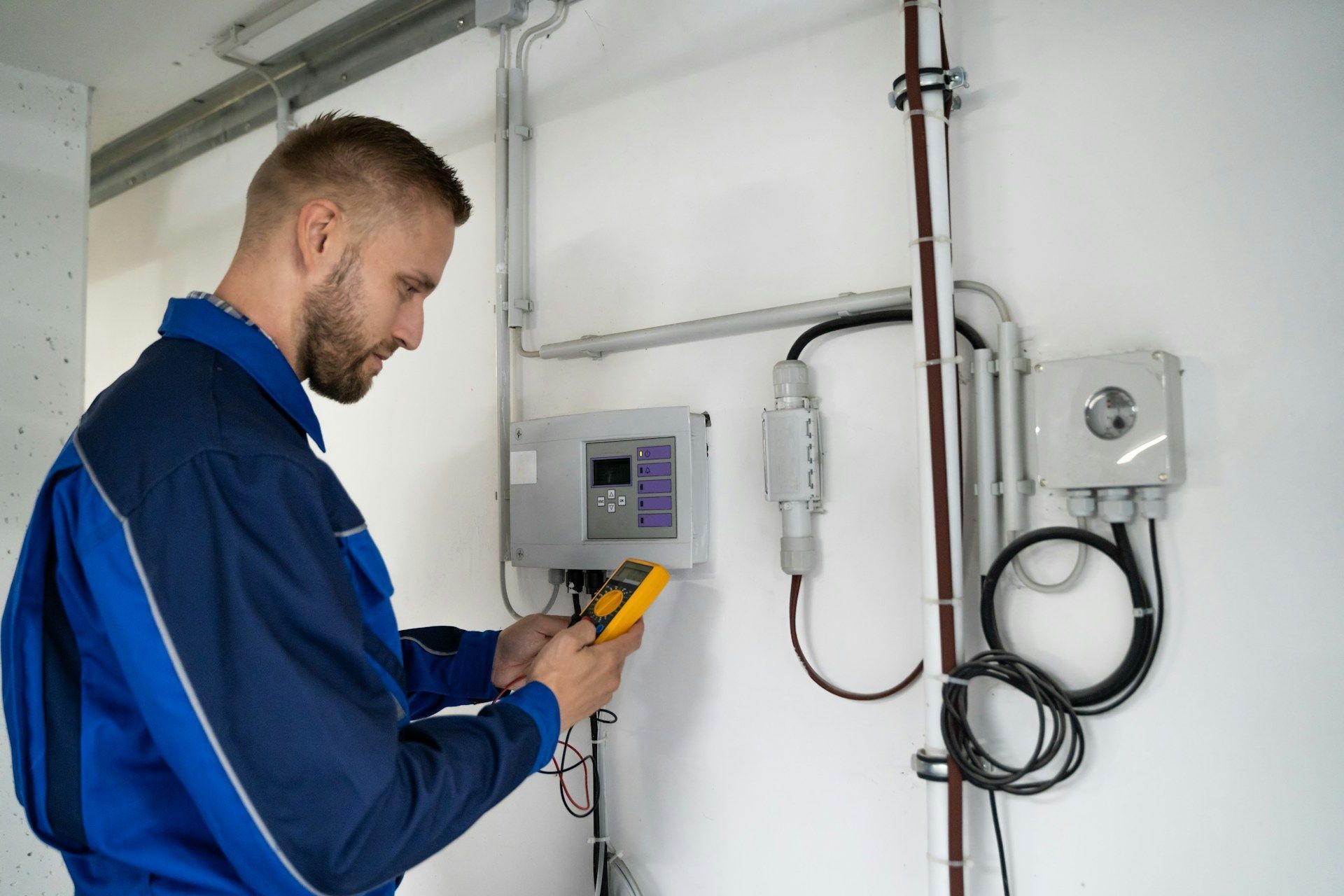
What a Standby Generator Actually Does for Your Home
A standby generator isn't a portable unit you drag out of the garage. It's a permanently installed system — connected to your natural gas or propane supply — that monitors utility power and kicks on automatically within seconds of an outage. No extension cords. No running outside in the ice. No waiting.
When the power goes out, your generator keeps running:
Heating and cooling systems
Refrigerators and freezers
Sump pumps (critical during ice melt and spring flooding)
Medical equipment and home offices
Lighting, security systems, and well pumps
For homeowners in older housing stock across rural Calhoun and Jackson counties — where grid reliability can already be marginal — that kind of automatic backup power isn't overcaution. It's common sense.
How We Size, Install, and Commission Your Generator
Whole home generator installation isn't a plug-and-play job. Getting it right requires a methodical process — and cutting corners on any step creates real risk. Here's how we handle it.
Step 1:
Load Calculation
We assess your home's square footage, critical circuits, and appliances to determine the right generator size. An undersized unit won't carry your load. An oversized one wastes money. We match the system to your actual home.
Step 2:
Automatic Transfer Switch Installation
The automatic transfer switch is what makes a standby generator truly automatic. It detects the loss of utility power and signals the generator to start — then switches your home's circuits over without any action from you. We install and wire the transfer switch as part of every generator installation.
Step 3:
Fuel Source Coordination
Most whole-home generators in mid-Michigan run on natural gas or propane. We coordinate with your fuel provider and handle the connection to your existing supply line. If you're on propane, we'll help you understand tank sizing requirements for extended outages.
Step 4:
Permits and Inspections
Generator installation requires permits in Michigan. We pull them, schedule inspections, and make sure your system is code-compliant from day one. This protects your home, your warranty, and your insurance coverage.
Step 5:
Commissioning and Walkthrough
Once installed, we run a full system test and walk you through how your generator operates — including the weekly self-test cycle that Generac and other standby units perform automatically. You'll know exactly what to expect.
Brands We Install
We install Generac standby generators — the most widely recognized name in residential backup power — along with other leading standby generator brands sized for whole-home coverage. During your estimate, we'll discuss which unit fits your load requirements, fuel source, and budget.
Generator Maintenance: Keeping Your System Ready
A standby generator that hasn't been serviced is a generator you can't count on. We offer scheduled maintenance for whole-home generators to make sure your system is ready when backup power matters most.
Generator maintenance typically includes:
- Oil and filter changes
- Spark plug inspection and replacement
- Battery testing
- Air filter service
- Transfer switch operation check
- Full system load test
We recommend annual maintenance for most standby generators — more frequently if your unit runs extended hours during outages. Ask about adding generator maintenance to a Barbour maintenance plan to keep it on the schedule automatically.
How Much Does a Whole Home Generator Cost in Michigan?
Generator pricing depends on three variables: the size of the unit (measured in kilowatts), the complexity of the transfer switch installation, and fuel source requirements. For most mid-Michigan homes, whole-home standby generator installation ranges from several thousand dollars on the lower end to well above that for larger homes or more complex electrical setups.
We don't give vague ranges and call it a quote. Our True Transparency Pricing means you get a clear, itemized estimate before any work begins — no surprise line items after installation. If you want to understand exactly what you're paying for and why, that's how we work.
Financing is also available for generator installation through our Michigan Saves partnership and additional financing options. If upfront cost is a concern, we can walk you through payment options during your estimate.
Serving Calhoun and Jackson County Homeowners
We install and maintain standby generators throughout a 50-mile radius of Albion — including Battle Creek, Marshall, Homer, Springport, Olivet, and communities across Eaton, Ingham, and Branch counties. If you're in mid-Michigan and want to stop worrying about the next ice storm, we're the local team to call.
Common Questions About Standby Generator Installation
How is a standby generator different from a portable generator?
A standby generator is permanently installed outside your home and connected to your fuel supply. It starts automatically within seconds of a power outage — no setup, no extension cords, no running outside. A portable generator requires manual startup, runs on gasoline, and can only power a few circuits at a time. For whole-home backup power, standby is the right solution.
Does a whole home generator run on natural gas or propane?
Most standby generators in mid-Michigan run on natural gas or propane. Natural gas connects directly to your utility supply line with no tank to manage. Propane requires an on-site tank, which we factor into the installation plan. We'll help you determine the best fuel option based on what's available at your property.
Do I need a permit to install a standby generator in Michigan?
Yes. Generator installation in Michigan requires an electrical permit and, in most cases, a mechanical permit as well. Barbour Heating & Air handles permit applications and coordinates inspections as part of every installation. Skipping permits puts your warranty and homeowner's insurance at risk — we don't cut that corner.
How do I find a standby generator installer near Albion, MI?
Barbour Heating & Air is based in Albion and serves the surrounding mid-Michigan region. We're licensed, EPA certified, and veteran-owned. Call 517-280-1211 or submit an estimate request online and we'll get you scheduled.
How often does a standby generator need maintenance?
Annual maintenance is standard for most residential standby generators. If your unit logged significant run hours during a major outage, a service check before the next storm season is a smart call. We offer scheduled generator maintenance and can include it in a recurring maintenance plan.
What size generator do I need for my home?
Generator sizing depends on your home's square footage, the appliances and systems you need to power, and whether you want whole-home coverage or critical-circuit coverage. We perform a load calculation during your estimate to recommend the right unit — not the biggest one we sell.